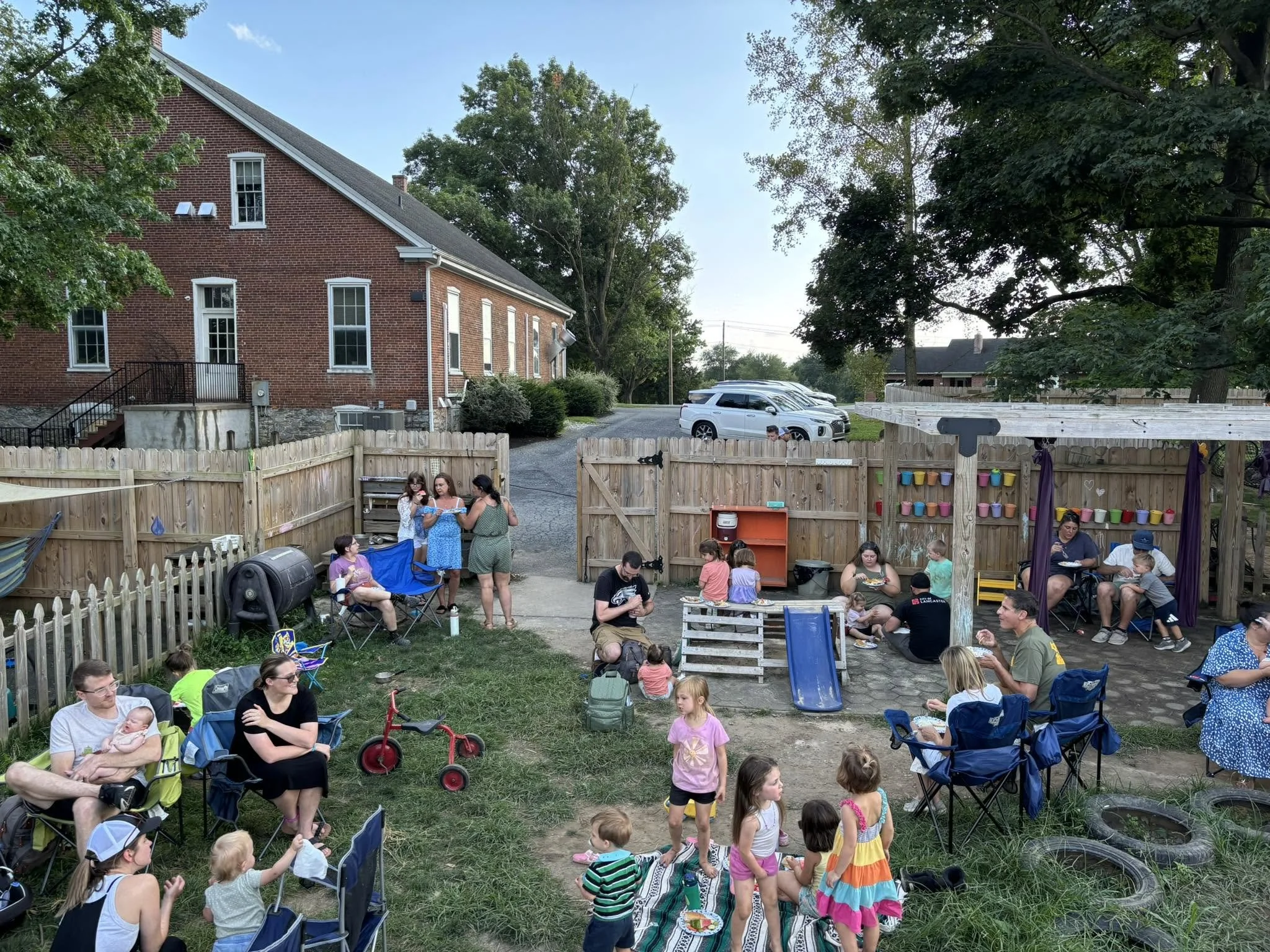
It’s more than “day care.”
Words matter because they shape how we see the work we do.
When someone says, “It’s just daycare,” we understand what they mean—but we also see everything that phrase leaves out.
We are early childhood professionals with a deep understanding of child development, developmental milestones, learning through play, social-emotional growth, and the many ways young children make sense of their world.
Every day, we intentionally create environments where children feel safe to wonder, explore, take risks, build confidence, and discover who they are.
We celebrate first steps, first words, new friendships, and hard-earned accomplishments. We notice the small changes that become meaningful milestones. We support through tears, encourage independence, partner with families through challenges, and share in every success.
We build relationships. We cultivate community. We protect childhood.
For many children, we are their first teachers. For families, we are trusted partners. For all of us, this work is more than a job—it is a calling.
So while some may call it “day care,” we continue to call it what it truly is: early childhood education, meaningful relationships, and a place where children are deeply known, deeply supported, and given every opportunity to grow.
Trusting us with your greatest treasure is a responsibility we never take lightly.

Every Child Develops in Their Own Way
Every child is unique, and we believe their education should reflect that.
Children grow physically, socially, emotionally, and cognitively at their own pace. Rather than expecting every child to develop on the same timeline, we observe each child as an individual and provide experiences that support where they are today while encouraging what comes next.
Our teachers intentionally create opportunities that challenge children without rushing them. By maintaining low teacher-to-child ratios, we are able to build meaningful relationships with each child and respond to their individual strengths, interests, and developmental needs.
From infancy through kindergarten, our goal is to nurture the whole child while fostering confidence, curiosity, and a lifelong love of learning.
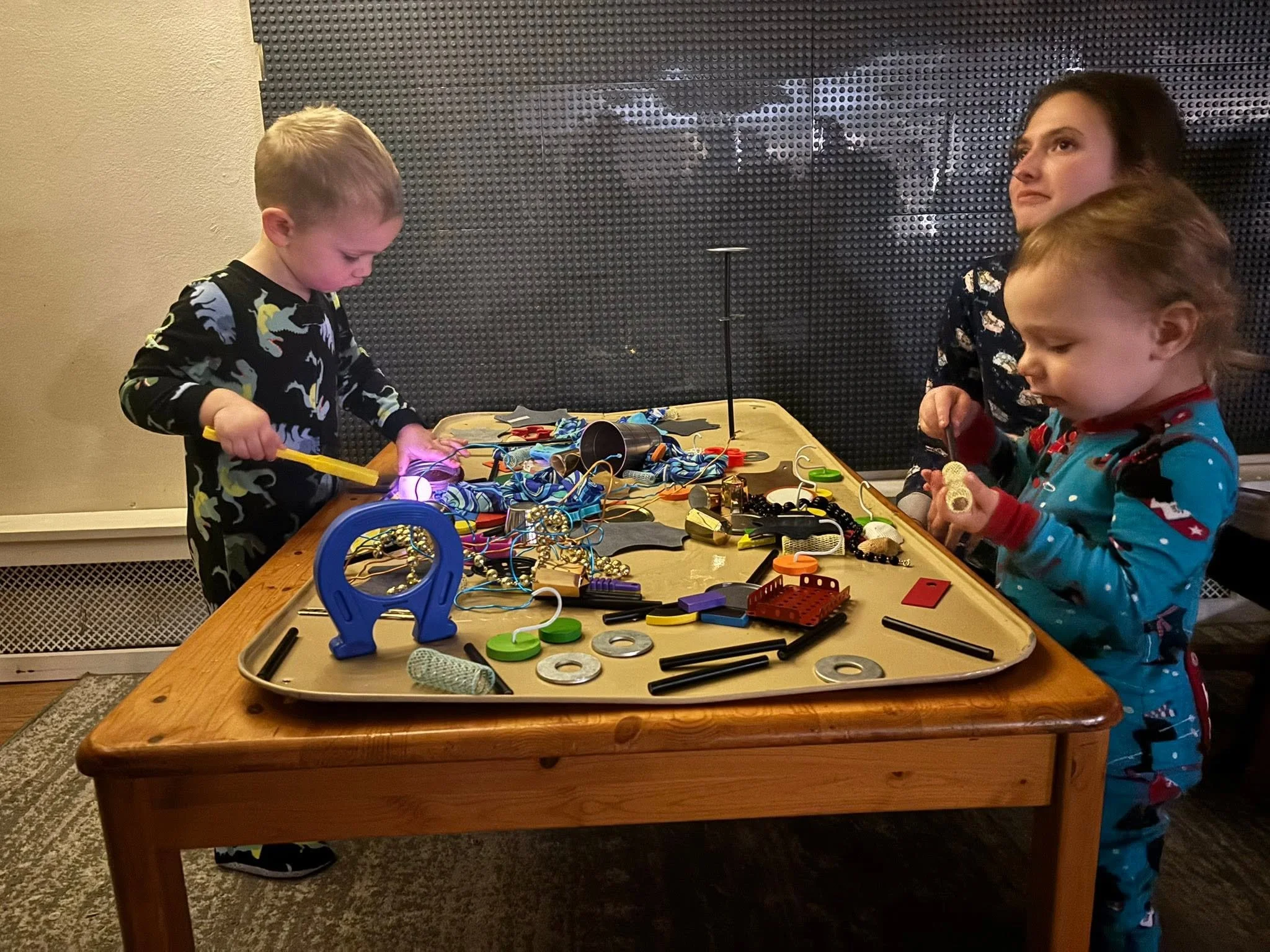
Learning Through Play and Discovery
Children learn best when they are actively engaged in experiences that are meaningful to them.
Our curriculum is guided by the National Association for the Education of Young Children (NAEYC) and Pennsylvania Learning Standards, while remaining responsive to the interests and questions of the children in our care. Rather than following a rigid script, our teachers observe children's curiosity and use it to shape new investigations and learning opportunities.
This emergent approach allows children to become active participants in their own education. Research consistently shows that when children help shape what they are learning, they become more engaged, develop a deeper understanding of new concepts, and retain those experiences because they are personally meaningful.
Play is not separate from learning—it is how young children learn best.
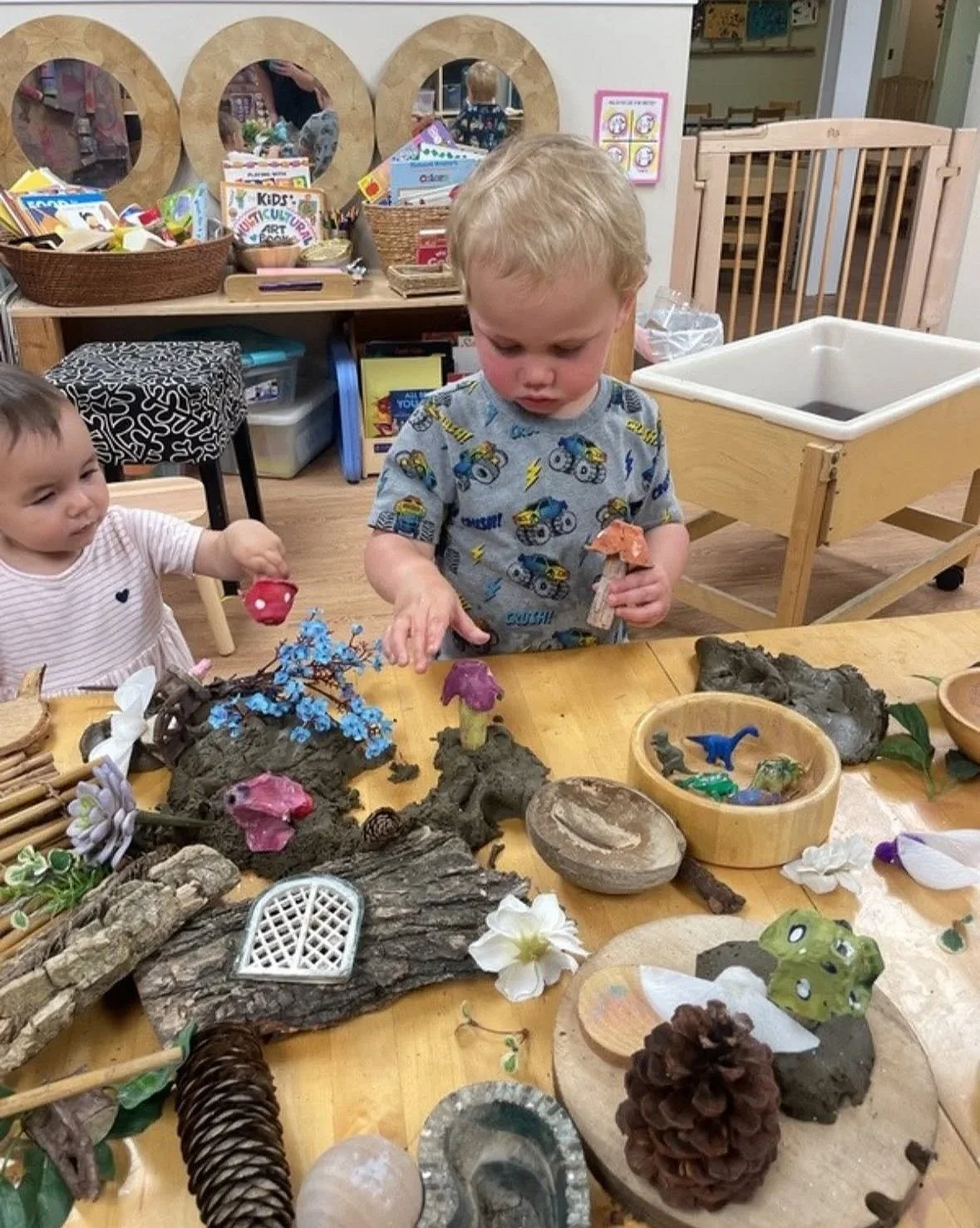
The Environment as a Teacher
The spaces where children learn should inspire exploration, creativity, and a sense of belonging.
We thoughtfully design our classrooms to be calm, welcoming, and filled with opportunities for discovery. Natural light, open-ended materials, and thoughtfully prepared learning environments encourage children to explore, solve problems, and express their creativity in their own unique ways.
Our infant program reflects these same beliefs. Inspired by both the Reggio Emilia and RIE approaches to early childhood education, we emphasize responsive caregiving, strong attachments, comfortable home-like spaces, and materials that encourage open-ended exploration from the very beginning.
While technology has a limited role in our classrooms, hands-on experiences, natural materials, and meaningful interactions remain at the heart of children's daily learning.
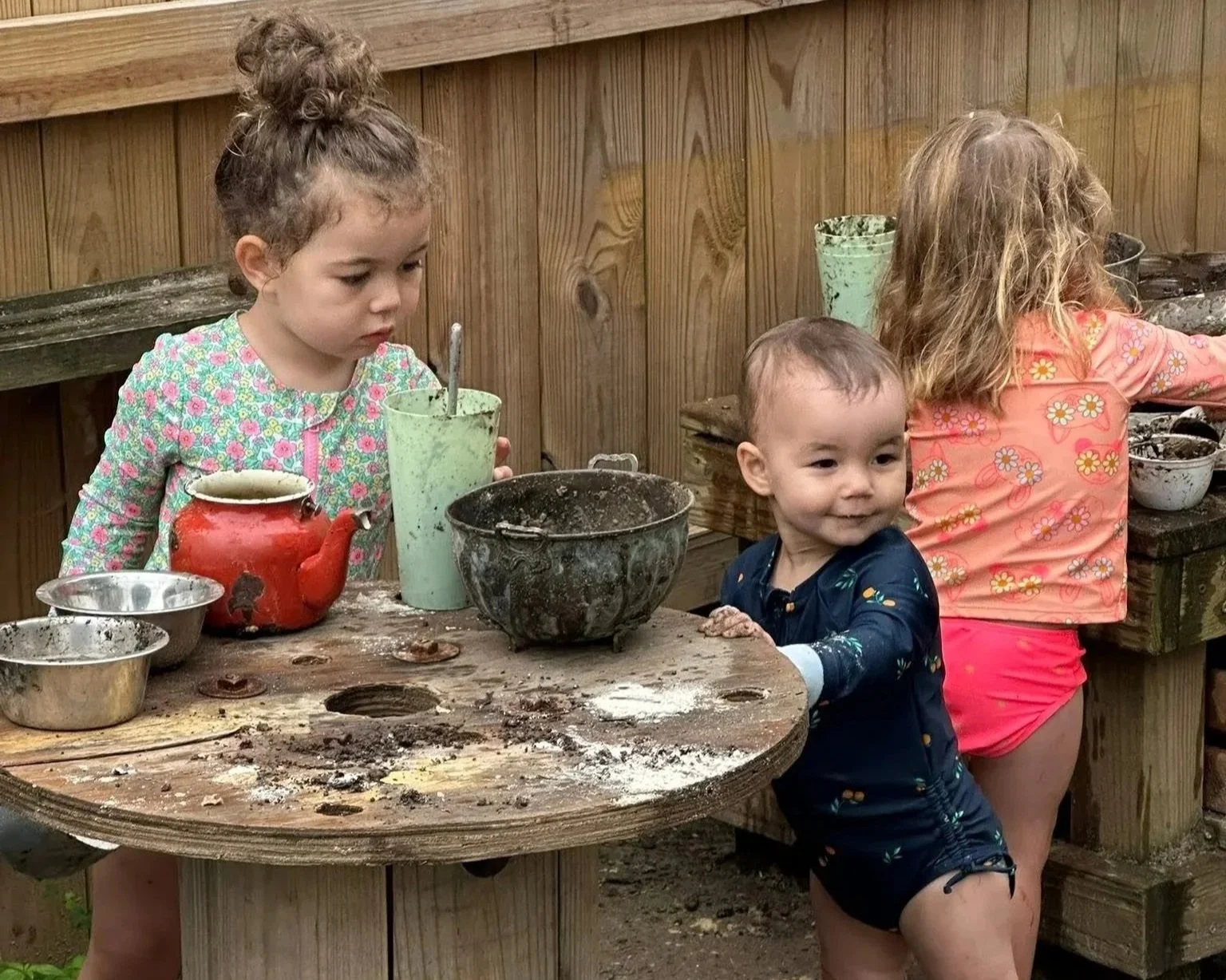
Why We Choose Multi-Age Classrooms
Children learn from one another in ways that cannot be replicated through adult instruction alone.
Our multi-age classrooms create rich opportunities for younger children to observe and learn from older peers while giving older children the chance to develop empathy, confidence, leadership, and responsibility. Daily interactions naturally strengthen language development, social skills, and cooperative relationships across a variety of developmental stages.
Multi-age classrooms also help create a stronger sense of community for families. Siblings can remain together, easing separation anxiety and creating familiarity during new experiences. Because children remain with the same teachers and classmates for longer periods of time, they experience fewer classroom transitions and have more opportunities to build lasting relationships with the adults and children around them.
We believe these strong relationships create a foundation where children feel secure, confident, and ready to learn.
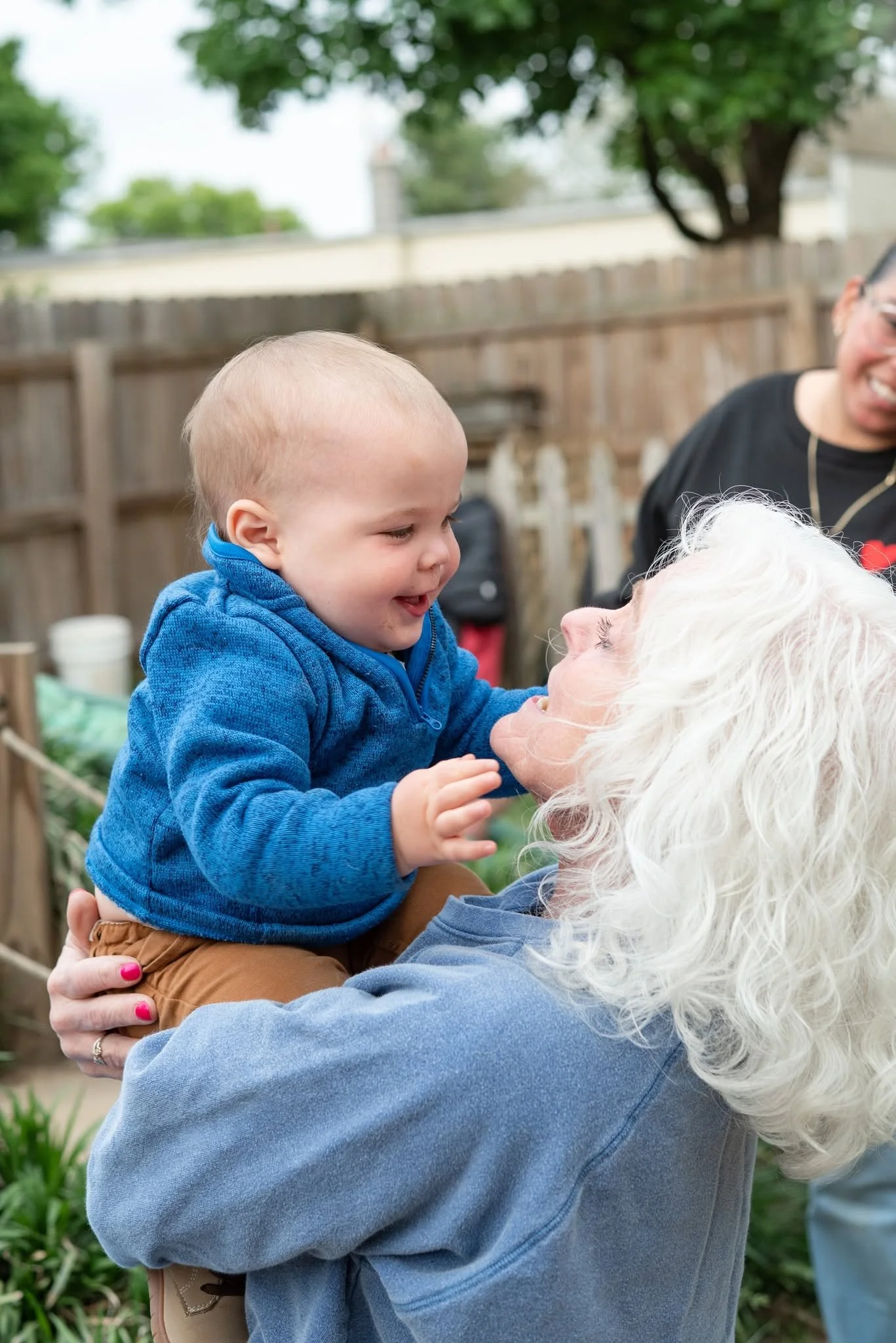
Growing Through Relationships
Children learn self-discipline through caring relationships, consistent guidance, and opportunities to practice making good choices.
Our role is not simply to correct behavior but to teach the skills children need to navigate challenges with confidence and respect for others. By providing a safe, nurturing environment with clear and consistent expectations, we help children develop problem-solving skills, conflict resolution strategies, independence, and self-control.
Positive guidance techniques such as redirection, thoughtful choices, and natural or logical consequences help children understand the connection between their actions and their outcomes. Throughout this process, we focus on preserving each child's dignity while building the confidence and self-esteem that support lifelong emotional growth.
We also believe families are essential partners in a child's development. Open, ongoing communication helps us work together to celebrate successes, navigate challenges, and support each child's growth both at school and at home.